
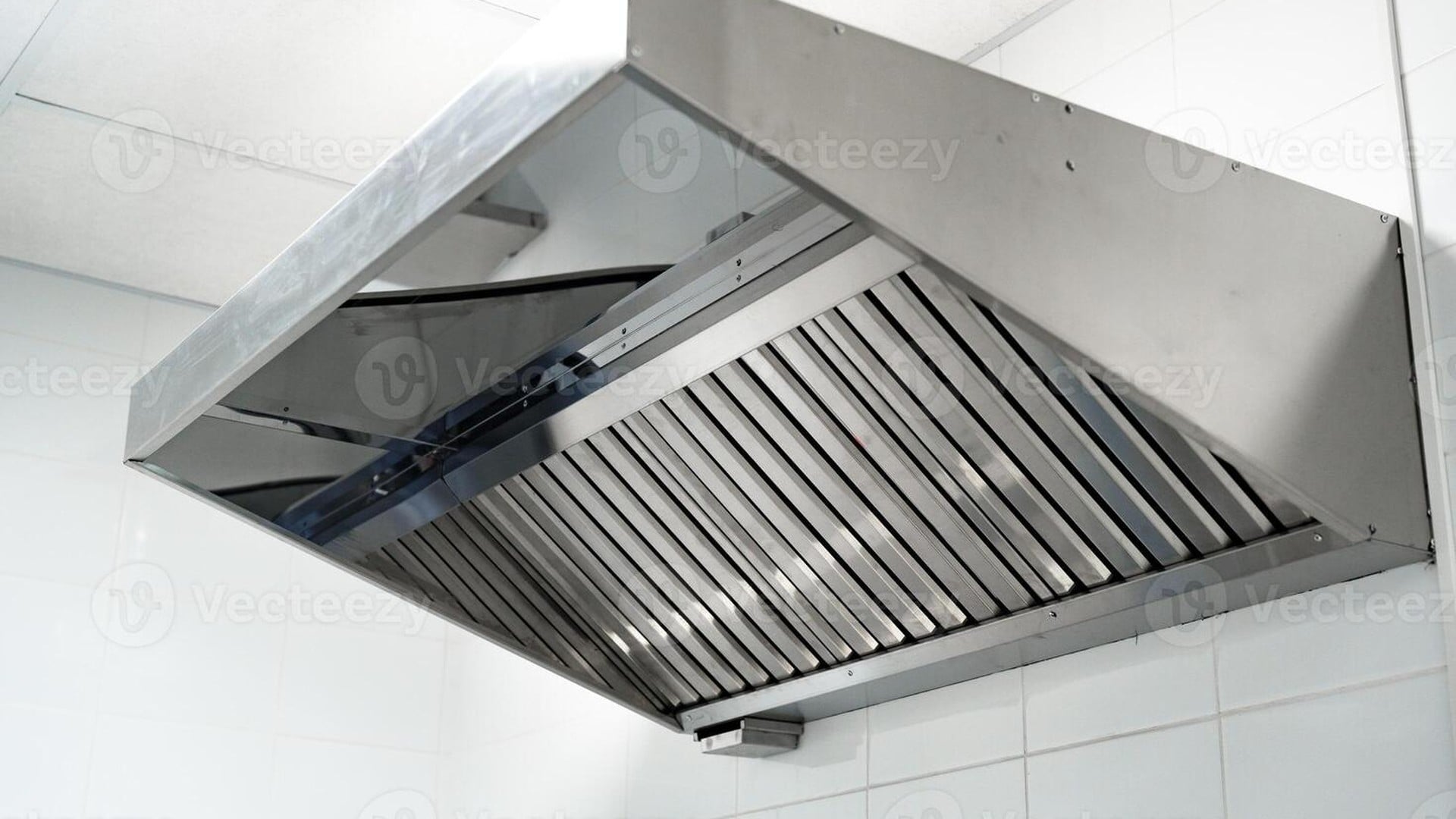
Kitchen Ventilation by Garrett Construction
Professional kitchen ventilation systems designed to keep your commercial or residential kitchen safe, clean, and code-compliant.
5 Highlights on Kitchen Ventilation
What sets Garrett Construction's ventilation services apart on every kitchen project.
Code Compliance Built In
Garrett Construction installs kitchen ventilation systems that meet NFPA 96, IMC, and local building codes, so your kitchen passes inspection the first time.
Grease Capture Efficiency
Our hood systems capture airborne grease, smoke, and combustion byproducts at the source before they reach ductwork or ceilings.
Makeup Air Integration
We install balanced makeup air units that replace exhausted air, preventing negative pressure and keeping your kitchen comfortable.
Custom Duct Fabrication
Our team fabricates and installs grease duct systems in stainless steel or black iron to match your kitchen's exact layout.
Fire Suppression Coordination
We coordinate kitchen ventilation installation with Ansul and wet chemical fire suppression systems for a fully integrated hood assembly.
Our Kitchen Ventilation Work
See examples of our professional ventilation work across kitchen projects in the Twin Cities area.


Our Specialties
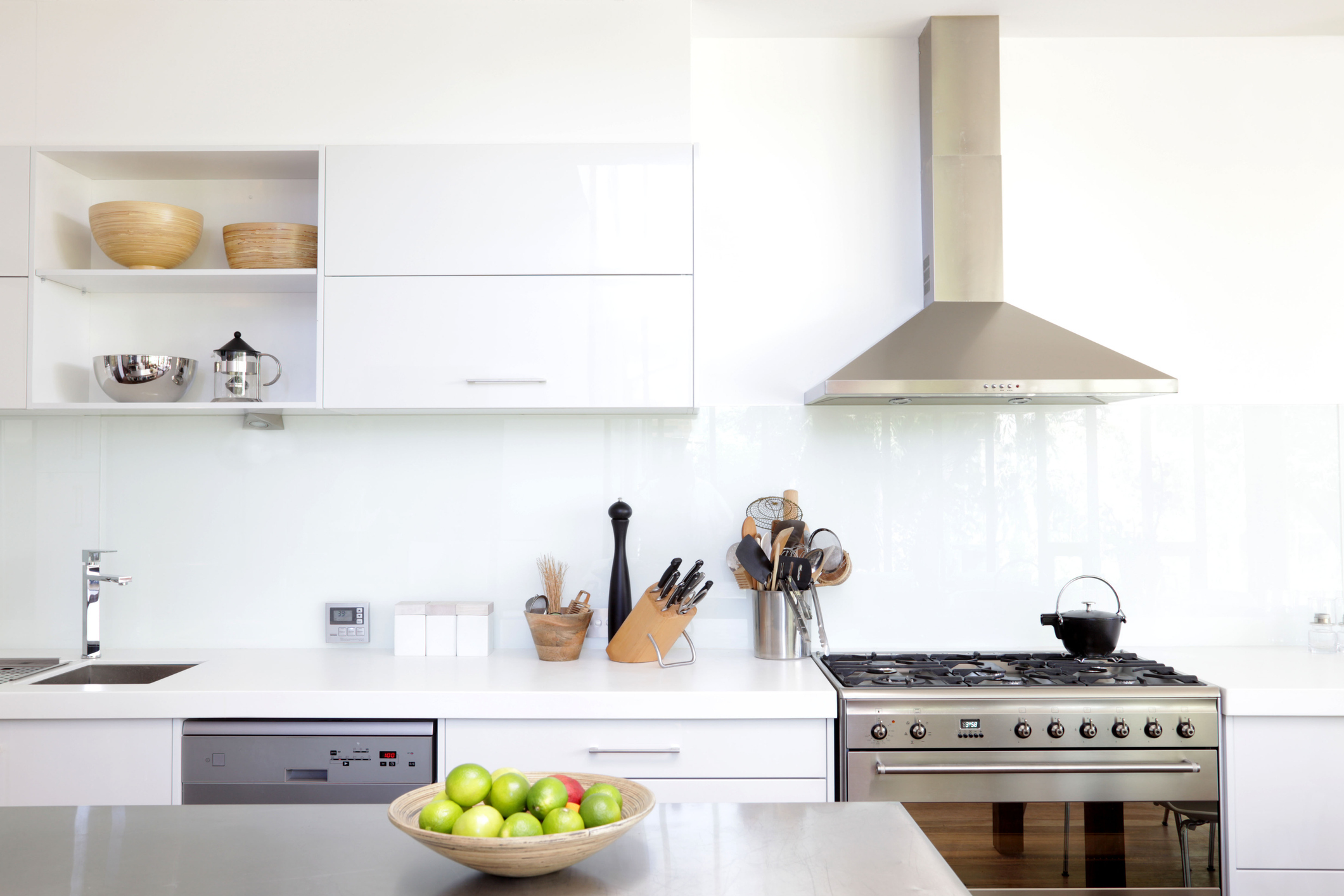
Range Hood Installation
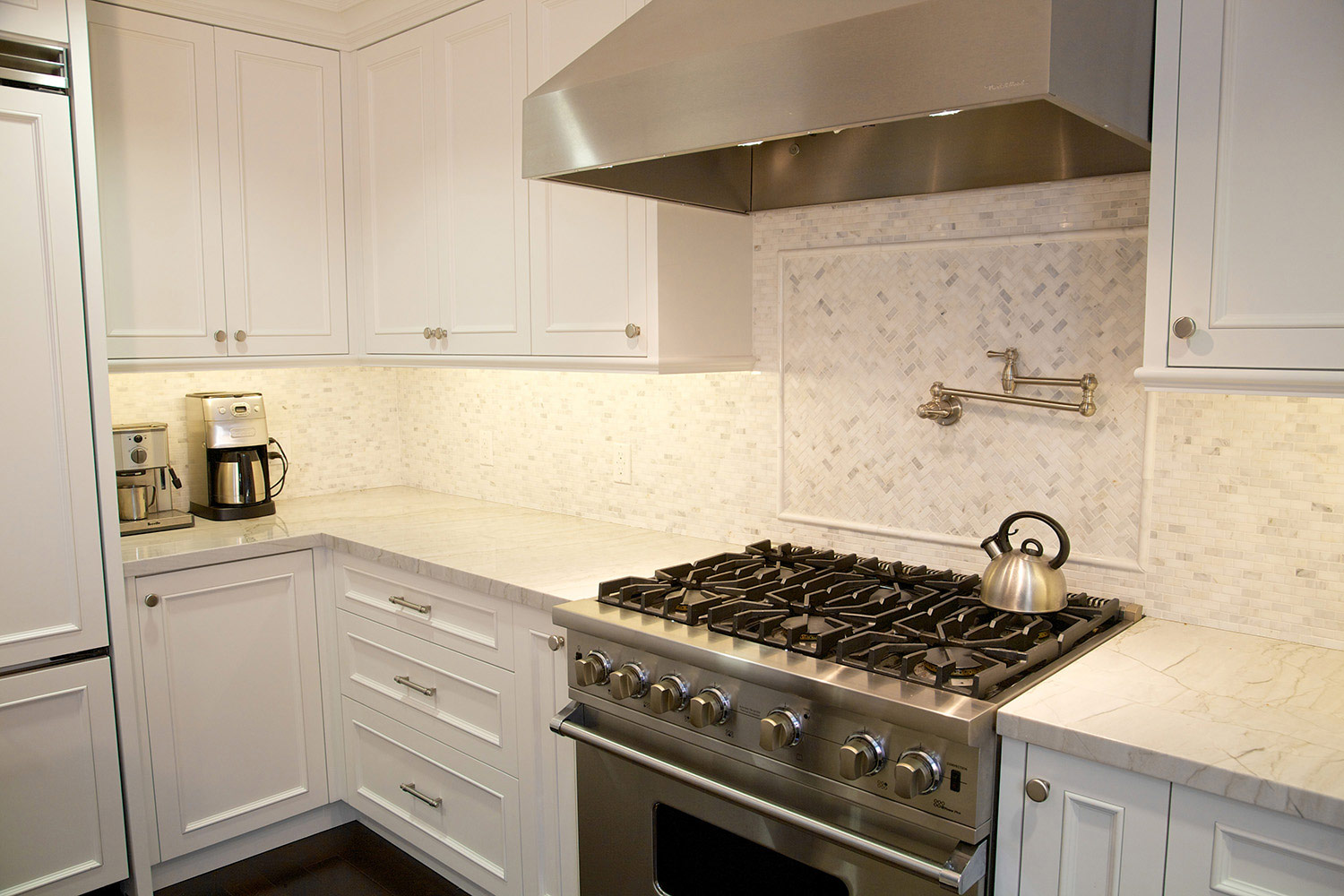
Wall-mount, island, under-cabinet, and custom hood installations. We match the ventilation power to your cooking needs and kitchen size.
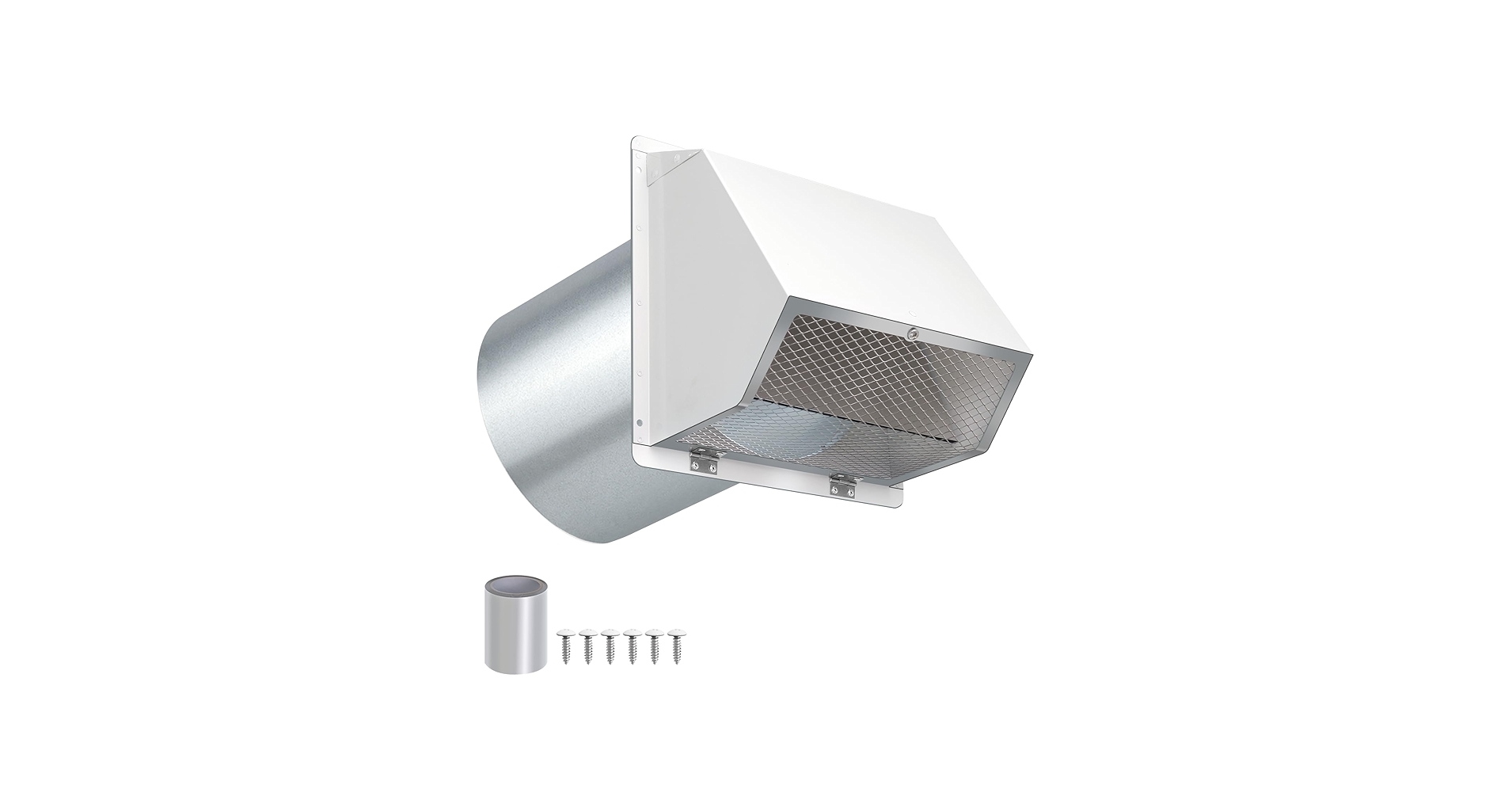
Ductwork & Venting
Professional duct routing through walls, ceilings, or soffits to exterior vents. We ensure efficient airflow with minimal noise.
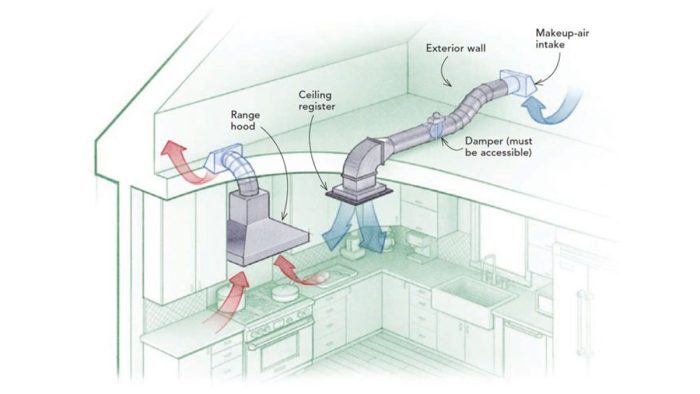
Exhaust Fan Systems
Supplemental exhaust solutions for kitchens that need extra ventilation. Ceiling fans, inline fans, and window exhaust systems.
Why Choose Our Kitchen Ventilation Services
<b>Garrett Construction</b> brings hands-on general contracting experience to every kitchen ventilation project. Our crews have installed commercial hood systems in restaurants, institutional kitchens, food trucks, and residential high-output cooking spaces across the region.
We’re qualified to handle the full scope. That means ductwork fabrication, exhaust fan mounting, makeup air unit installation, and coordination with mechanical, electrical, and fire suppression trades. You don’t need to manage five separate contractors. We handle it.
Our kitchen ventilation work follows <i>NFPA 96</i> standards for commercial cooking operations and the <i>International Mechanical Code</i> for duct construction and clearances. Every installation gets a thorough walkthrough before we call it done.
We stand behind our work with a written workmanship warranty. If something isn’t right, we come back and fix it. No runaround.
Garrett Construction also works directly with your architect or kitchen designer to make sure the ventilation system fits the overall build. We read plans, pull permits, and schedule inspections. You get a professional kitchen ventilation installation without the coordination headaches.
Signs You Need Kitchen Ventilation
If any of these sound familiar, your kitchen ventilation system needs professional attention.
Grease Buildup on Walls and Ceilings
Visible grease deposits above your cooking line mean your hood isn’t capturing airborne grease effectively. This happens when the exhaust volume is undersized for your cooking equipment or when filters are clogged and airflow is restricted. Left unaddressed, grease accumulation becomes a fire hazard. Affected walls often need drywall repair and repainting once the ventilation is corrected.
Smoke Lingering in the Kitchen
If smoke hangs in the air after cooking, your exhaust fan isn’t moving enough cubic feet per minute (CFM) for the heat load. A properly sized kitchen ventilation system clears smoke within seconds of it rising off the cooking surface.
Negative Pressure Problems
Doors that slam shut on their own, drafts near entryways, or pilot lights that blow out signal negative pressure. This occurs when your exhaust system removes more air than makeup air units replace. A balanced kitchen ventilation system corrects this immediately.
Excessive Heat in the Kitchen
A kitchen that stays uncomfortably hot even with HVAC running often has a ventilation system that’s undersized or improperly positioned. Hood capture velocity drops when the hood face is too far above the cooking equipment, letting heat escape into the room. If the issue involves ceiling or wall modifications, our structural work team can assess.
Failed Health or Fire Inspection
Inspectors check hood clearances, duct construction, grease duct access panels, and exhaust fan performance. If your kitchen ventilation system fails inspection, you need a contractor who understands NFPA 96 and can bring the system into <strong>compliance</strong> fast.
Our Kitchen Ventilation Process
Site Assessment
We visit your kitchen and measure the cooking equipment, ceiling height, available duct chase space, and existing mechanical infrastructure. We document everything before recommending a system.
System Design
Our team calculates the required CFM based on cooking equipment type, hood style (Type I or Type II), and occupancy. We design the duct routing, exhaust fan placement, and makeup air unit location.
Permit Submittal
We prepare and submit mechanical permit documents to your local authority having jurisdiction (AHJ). We handle the back-and-forth so you don't have to.
Installation
Our crew installs the hood, fabricates and hangs the grease duct, mounts the exhaust fan, and connects the makeup air unit. We coordinate with electrical and fire suppression contractors on-site.
Testing and Inspection
We test airflow, verify capture velocity, and confirm all clearances before scheduling the final inspection. We walk you through the system operation and filter maintenance schedule before we leave.
Brands We Use
Garrett Construction installs kitchen ventilation equipment from trusted, industry-proven manufacturers. We select brands based on performance, parts availability, and long-term reliability.
We only install equipment rated for the application. Kitchen ventilation systems handle grease-laden air, and using the wrong equipment creates fire risk. Every product we install meets UL 710 or UL 762 listing requirements where applicable.
FAQs About Kitchen Ventilation
Common questions about kitchen ventilation answered by Garrett Construction.
Kitchen ventilation is a mechanical system that removes heat, smoke, grease-laden vapors, and combustion gases from a cooking area. It includes a hood, grease duct, exhaust fan, and makeup air unit working together to maintain air quality and safety.
A Type I hood handles grease-laden air from fryers, ranges, and griddles. It requires a grease duct and fire suppression system. A Type II hood handles heat and moisture from equipment like dishwashers and steamers that don’t produce grease. Most commercial kitchens need Type I.
<i>CFM</i> requirements depend on your cooking equipment type, hood style, and hood-to-equipment distance. A wall-mounted canopy hood over a heavy-duty range typically needs 300–500 CFM per linear foot. <b>Garrett Construction</b> calculates this during the site assessment.
Yes. Commercial kitchen ventilation installations require a mechanical permit in virtually every jurisdiction. Some projects also require building and electrical permits. We pull all required permits as part of our process.
NFPA 96 sets cleaning frequency based on cooking volume. High-volume operations need quarterly cleaning. Moderate-volume kitchens need semi-annual cleaning. Low-volume operations need annual cleaning. We can recommend a certified hood cleaning contractor after installation.
Yes. We assess the existing structure, identify duct routing options, and install a code-compliant system in existing kitchens. Retrofit projects require careful coordination, and our team has the general contracting experience to manage the work without disrupting your operation longer than necessary.
Frequently Paired Services
Many of our clients combine kitchen ventilation with these complementary services for a more complete transformation.

Need Professional Kitchen Ventilation?
Contact Garrett Construction today for a free consultation and detailed estimate for your kitchen ventilation project in the Minneapolis-St. Paul area.